Creating Effective UX Research Personas for Better User Understanding

Understanding users is the foundation of successful product design. Without a clear picture of who your users are, their needs, goals, and behaviors, it’s easy to create experiences that miss the mark. UX research personas help bridge this gap by turning raw data into relatable, human-centered profiles. These personas guide design decisions, ensuring products truly resonate with their intended audience.
This post explores how to create effective UX research personas that provide deep insights and practical value for your design process.

What Are UX Research Personas?
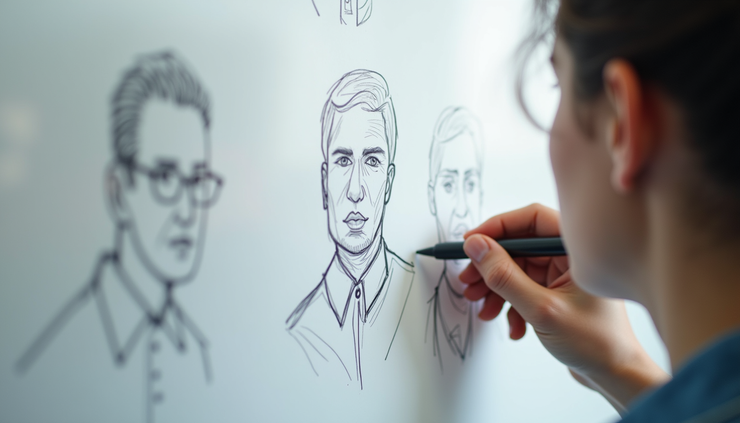
UX research personas are fictional but data-driven characters representing key segments of your user base. They summarize research findings into clear, relatable profiles that describe users’ motivations, frustrations, habits, and goals. Personas help teams empathize with users and keep their needs front and center throughout design and development.
Unlike stereotypes or assumptions, effective personas are based on real user data collected through interviews, surveys, analytics, and observations. This grounding in research makes them reliable tools for decision-making.
Why Use Personas in UX Research?
Personas offer several benefits that improve the design process:
Focus design efforts on specific user needs rather than vague generalizations.
Align teams around a shared understanding of users.
Prioritize features based on what matters most to target users.
Improve communication by providing a common language about users.
Test ideas by considering how well they serve different personas.
For example, a persona representing a busy working parent might highlight the need for quick, easy-to-use features, while a persona for a tech-savvy millennial might prioritize customization and advanced options.
Steps to Create Effective UX Research Personas
1. Gather Qualitative and Quantitative Data
Start by collecting diverse data about your users. Use methods such as:
User interviews to capture motivations and pain points.
Surveys for broader demographic and preference data.
Web analytics to understand behavior patterns.
Usability testing to observe interactions.
Combining these sources provides a rich picture of your users.
2. Identify Patterns and Group Users
Analyze the data to find common traits and behaviors. Look for clusters based on:
Goals and motivations
Challenges and frustrations
Demographics like age, location, or profession
Technology comfort level
Group users with similar characteristics to form distinct segments.
3. Develop Persona Profiles
Create detailed profiles for each segment. Include:
Name and photo (fictional but relatable)
Demographics such as age, job, and location
Goals and needs relevant to your product
Behaviors and habits related to product use
Pain points and frustrations
Preferred channels or devices
Write these profiles as stories to make them engaging and memorable.
4. Validate and Refine Personas
Share personas with stakeholders and users to check accuracy. Update profiles based on feedback and new data. Personas should evolve as your understanding deepens.
5. Use Personas Throughout the Design Process
Refer to personas when making design decisions, prioritizing features, and testing prototypes. Ask questions like:
Does this feature solve a problem for Persona A?
How would Persona B navigate this flow?
What frustrations does this design address for Persona C?
This keeps user needs central.
Practical Tips for Creating Personas That Work
Base personas on real data to avoid stereotypes.
Keep personas focused on key user groups, usually 3 to 5.
Make personas vivid with names, photos, and stories.
Highlight actionable insights like specific goals or pain points.
Use visuals such as charts or mood boards to enrich profiles.
Keep personas accessible to the whole team, not just researchers.
Update personas regularly to reflect changing user needs.
Examples of UX Research Personas
Consider a fitness app aiming to serve different users:
Active Amy
Age 28, fitness enthusiast, uses the app daily to track workouts and nutrition. Needs detailed stats and social sharing features.
Busy Ben
Age 40, works long hours, wants quick workout suggestions and reminders. Values simplicity and time-saving features.
Newbie Nora
Age 22, new to fitness, needs guidance and motivation. Prefers beginner-friendly content and progress tracking.
Each persona guides design choices, from interface complexity to content tone.
Common Mistakes to Avoid
Creating personas without research, leading to inaccurate assumptions.
Making personas too broad or too detailed, which reduces usefulness.
Ignoring personas after creation, missing their value in ongoing design.
Using personas as stereotypes rather than dynamic tools.


Comments